Feline Resource Center: Common Questions & Answers
How does Totally Feline support cat parents?
 Our support comes from a non-judgmental and compassionate approach. We offer practical advice, empathetic community content and a platform where you can learn and grow as a cat parent without feeling criticized. It's all about empowering you and your feline or feathered family member.
What makes Totally Feline resources unique?
 Our unique blend of personal stories, practical tips and a focus on non-judgmental support sets us apart. We prioritize building a kind community and offering compassionate easy to understand guidance on enrichment behavior and feline well-being. It's all about learning together and not lecturing.
How can I connect with the Totally Feline community?
 Join us on social media subscribe to our YouTube channel and engage with our blog comments. We love hearing from our fellow cat and animal enthusiast! You can also find our "Cooking With My Cat" videos on YouTube for a light-hearted fun and connection.
How can I better understand my cat's behavior?
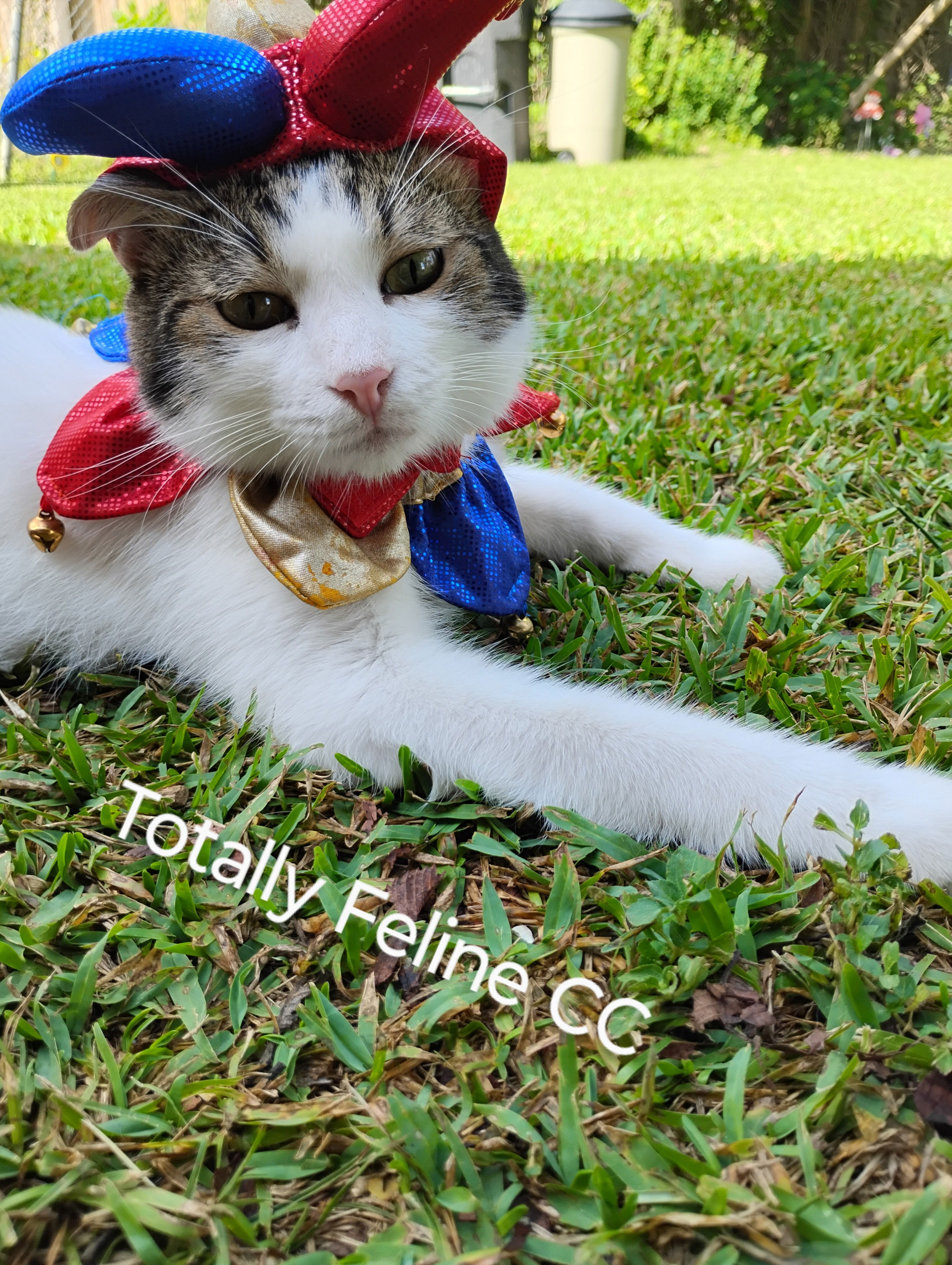 Understanding you're a cat's body language vocalization and habits is key. We offer articles and stories on common feline behaviors helping you interpret their needs and build a stronger bind. Look for resources on play communication and stress signals
Where can I find recommended products for my cat?
 Visit our recommended product page for curated suggestions on toy food and accessories that can enhance your cat's life. We share products We trust and Believe can make a positive difference.
Do you share personal stories from other cat parents?
 Yes! A core part of Totally Feline is sharing personal stories and experiences for my community. This narratives often relatable insights Foster connections and reminding us we are all in the feline dream together. Check out our blogs for heartwarming tails.
What are some fun enrichment ideas for a cat and birds?
 Enrichment is vital for a happy cat and animals? Export tips from interactive toys puzzle meters vertical space and outdoor enclosures. Our blog post and "Cooking With My Cat " videos offer featured creative ways to keep your feline or even a bird engaged and entertained.
My cat is allergic to meat. Are vegan or vegetarian cat food an option?
 Medical Disclaimer: The information provided below is for educational purposes only and is not intended to replace professional veterinary advice, diagnosis, or treatment. Always consult your veterinarian before making any changes to your cat’s diet, especially when allergies or medical conditions are involved.
Surprisingly to many guardians, vegan and vegetarian cat foods do exist on the market today, including both dry kibble and wet formulations. However, most veterinarians strongly advise against feeding cats a fully plant-based diet. Cats are obligate carnivores, meaning their bodies are biologically designed to obtain essential nutrients—such as taurine, arachidonic acid, and certain vitamins—from animal-based proteins. While some vegan diets attempt to compensate with synthetic nutrients, these formulations may not adequately meet a cat’s long-term nutritional needs.
In addition, a cat’s dentition and digestive system are anatomically adapted for consuming meat, not plant matter. For these reasons, plant-based diets are generally not recommended for feline health and longevity.
If a cat is suspected of having a food allergy, a veterinarian may instead recommend exploring alternative protein sources rather than eliminating animal protein altogether. In some cases, cats that react to common proteins such as beef or chicken may tolerate novel or limited-ingredient proteins, including certain fish (such as salmon or tuna), rabbit, duck, or prescription hydrolyzed diets.
It is also important to note that food sensitivities are not always caused by the protein source alone. Artificial colorings, preservatives, and other additives commonly found in commercial cat foods can contribute to allergic reactions and gastrointestinal upset.
Key takeaway:
Before making dietary changes, always work closely with your veterinarian to determine the true cause of the allergy and to ensure your cat receives a nutritionally complete, species-appropriate diet tailored to their individual needs.
What are the preferred litter for Totally Feline and cats?
 If you’re searching for a high-quality clay litter for your cat, Totally Feline™ confidently recommends Dr. Elsey’s Precious Cat Clay Litter.Over the years, I’ve tested and observed a wide range of litter types and textures in real-life, multi-cat environments. Consistent research — and feline preference — point to unscented clay litter as the top choice for both cats and their humans. That said, not all clay litters are created equal.
When evaluating a clay litter, Totally Feline™ looks for several key factors:
✔️ 99.9% dust-free
✔️ Unscented (to respect sensitive feline noses)
✔️ Low tracking
✔️ And most importantly — how the cats respond to it
Among all the clay litters tested in my household, Dr. Elsey’s Precious Cat Clay Litter has consistently been the clear favorite. It meets high performance standards while supporting feline comfort and natural litter box behavior. For pet parents seeking a more budget-friendly option, Tidy Cats Clay Litter comes in as a solid second choice, depending on availability and pricing.
That said, it’s important to remember: while recommendations matter, your cat is the ultimate decision-maker. Observe their comfort, habits, and preferences — because a happy litter box means a happier cat. 🐾
— Totally Feline™
Here’s a subtle, professional disclaimer that fits seamlessly with the Totally Feline™ brand and can be placed at the end of the review or as a footnote:
Disclaimer:
This recommendation is based on personal experience, observation, and general research. Individual cats may have different preferences or sensitivities. Always monitor your cat’s behavior and consult with your veterinarian if you have concerns regarding litter choice or litter box habits.
www.totallyfeline.com
Recommended Bird Backpack
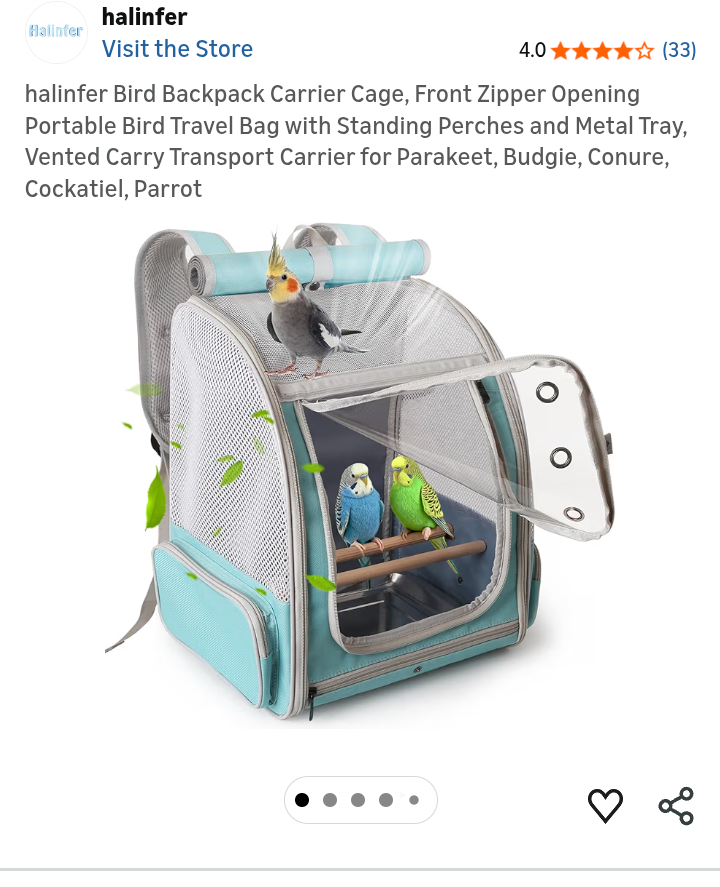 Product Recommendation – Bird Backpack Carrier (Totally Feline™ Perspective)This bird backpack carrier offers several well-designed features that support both bird comfort and handler convenience. The carrier provides excellent airflow throughout, promoting proper ventilation during travel. Inside, there is a sturdy perch that allows the bird to rest securely, and the overall setup is straightforward, making it easier to begin acclimating a bird to the carrier.
A thoughtful feature is the adjustable flap that covers the mesh, helping protect birds from excessive sunlight and overstimulation when needed. From a handler’s standpoint, the padded back straps are comfortable, the backpack remains stable while worn, and the removable tray at the bottom is practical and hygienic. The tray can easily be lined with a paper towel or pee pad for quick cleanup.
Considerations:
Two concerns are worth noting. First, the mesh material may be vulnerable to chewing for birds that are strong beak users, which could impact long-term durability. Second, although this carrier is marketed for conure-sized birds, the interior space felt more active than expected, with the bird moving around more than what felt ideal for comfort. That said, this observation may be influenced by my professional background being more cat-focused than bird-specific.
---
Totally Feline™ Recommendation: Proper Bird Carrier Training
Just as with cats, successful carrier use for birds depends heavily on gradual, positive training:
Introduce the carrier outside of travel situations and allow the bird to explore it voluntarily.
Place the carrier in a familiar environment and pair it with high-value treats, calm praise, or favorite perching time.
Begin with short, low-stimulation sessions, gradually increasing duration as the bird becomes comfortable.
Ensure the perch is properly positioned and stable to reduce excess movement during transport.
Always observe your bird’s body language—flapping, scrambling, or vocal distress may indicate the need to slow the process.
Carrier training should build confidence, not stress. With proper acclimation, the carrier becomes a safe, predictable space rather than a source of anxiety.
— Totally Feline™
Professional animal care education across species 🐾