Understanding Pneumonia in Cats: Why Early Detection Matters
Understanding Pneumonia in Cats: Why Early Detection Matters
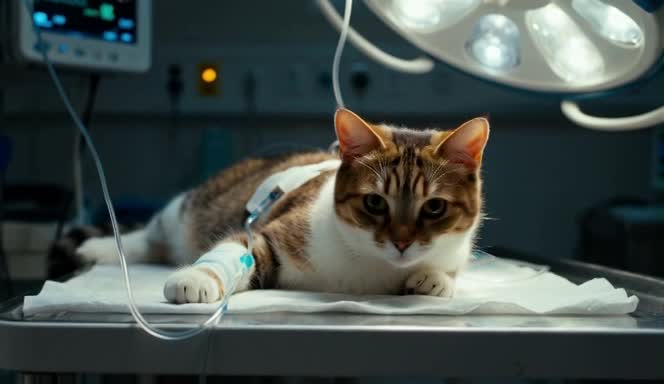
Recently, one of the Totally Feline Clowder was diagnosed with pneumonia. What initially seemed like a mild allergy quickly progressed into a serious respiratory condition. This experience serves as an important reminder that in senior cats, upper respiratory infections can escalate with surprising speed. In contrast, a much younger cat in our clowder—believed to have been the original carrier—recovered fully without progression. Age and immune strength play a major role in how a cat responds to infection.Pneumonia can be subtle in its early stages, and recognizing the warning signs can be lifesaving. In our case, the only noticeable symptom was labored breathing—one of the most common outward indicators of pneumonia. Because many cats naturally hide discomfort, it’s vital for pet guardians to notice even small changes in breathing, energy, appetite, or behavior.
How Pneumonia Develops
Bacterial pneumonia often develops as a complication of Cat Flu, or Feline Upper Respiratory Infection (URI). Cats most at risk include:
- Senior or geriatric cats
- Kittens with immature immune systems
- Immunocompromised cats (due to stress, chronic illness, or past infections)
A viral infection weakens the respiratory system, creating an opportunity for bacteria to settle in the lungs and produce pneumonia.
Prevention Through Core Vaccination
While vaccinations don't guarantee full prevention, they greatly reduce the severity and likelihood of dangerous complications. Keeping your cats up-to-date on the FVRCP core vaccine helps protect against:
- Feline Panleukopenia (FPV)
- Feline Viral Rhinotracheitis (Feline Herpesvirus, FHV)
- Feline Calicivirus (FCV)
These viruses are leading causes of upper respiratory disease in cats and can leave them vulnerable to bacterial pneumonia.
Why Vaccination Still Matters
Even if a vaccinated cat becomes ill, they generally experience:
- Milder symptoms
- Shorter recovery time
- Lower risk of pneumonia and hospitalization
For senior cats or those with compromised immunity, this reduction in severity can be life-saving.
Tips for Cat Owners: How to Monitor Respiratory Health
1. Watch for changes in breathing.
Rapid breathing, wheezing, or visible effort in the chest or abdomen can signal respiratory distress.
2. Pay attention to subtle behavioral changes.
Cats becoming unusually withdrawn, lethargic, or sleeping more than normal may be fighting infection.
3. Monitor appetite and drinking habits.
A cat that suddenly stops eating or drinking may be experiencing discomfort or fever.
4. Listen for abnormal sounds.
Congestion, coughing, noisy breathing, or persistent sneezing shouldn’t be ignored.
5. Check for nasal or eye discharge.
Thick, colored, or frequent discharge can indicate an active upper respiratory infection.
6. Humidity helps.
Running a humidifier or using a steamy bathroom environment can ease congestion in sick cats.
7. Keep stress low.
Stress suppresses the immune system and can worsen respiratory conditions.
8. Seek veterinary care early.
If you notice breathing difficulty, fever, or sudden decline, contact your vet immediately—pneumonia can escalate quickly.
9. Maintain a clean environment.
Regularly clean litter boxes, bedding, and shared spaces to minimize viral and bacterial buildup.
10. Stay current on vaccinations.
Preventive care remains the strongest protection against severe respiratory infection.